
I know Valentine’s day is February 14 but since Saturdays are the worst days to post a blog, I thought I would post it today. Granted, I don’t know if it matters or not… it’s not like I have a large readership.
Valentine’s Day and I Go Way Back
Valentine’s Day and I go way back. For years, I bought into the hype—chocolates, cards, flowers, stuffed animals, the whole nine yards. I still buy those things… just not on Valentine’s Day anymore. Amy may actually prefer it that way. At least that’s what I keep telling myself.
One year, I snapped a picture of some flowers and sent it to Amy with the message: “These flowers will die, but this picture will last forever.”
She replied with a picture of a T-bone steak:
“This steak will be gone in five minutes, but this picture will last forever. Happy Valentine’s Day.”
It only took her ten years, but she’s finally catching on to my humor.
Side note: February 14, 2005 (Valentine’s Day), I proposed. I did it then because it was the last thing she’d expect. I usually go for something more… creative.
Our very first Valentine’s Day, I bought a giant box of Britney Spears Valentine cards. I signed every single one and gave them all to her. She was thrilled.
A year later, I told her to wear the fancy silk dress that I bought her on a trip to China — and the look on her face said she was expecting the date of a lifetime. She was sure we were heading to some upscale restaurant.
We were not.
I took her to Mandarin Express on 23rd and Rockwell — and the confused look on her face was absolutely priceless. A magnificent Chinese dinner for under $7! And since it was opening night of Shanghai Knights at Quail Springs Mall… well, how could I pass that up? It’s one of the few times in our relationship when I don’t think Amy was very impressed with me. She hasn’t worn that dress since.
I’m pretty sure the next year I proposed.
Our first Valentine’s Day as husband and wife, she got a dozen roses. She was ecstatic. Two years later she learned a vital detail: the flowers were actually intended for the receptionist. they were originally delivered to the office for the receptionist by her boyfriend. When the receptionist left for the day, I took them home for Amy. When Amy saw me bring them back to the office the next morning, I told her I wanted everyone to see the “nice flowers she received.” I did this for several days until the roses died.
Another year— I bought a huge box of chocolates, wrote a heartfelt mushy card… and secretly replaced every piece of chocolate with carrots and celery. I learned later that this was not, in fact, funny.
My Valentine’s Day antics used to irritate Amy. But eventually she realized: this is a family tradition. My dad did the same thing for my mom. One year he gave her twelve sandwich bags full of flour arranged in a vase. A fourth-grader thought she’d received crack. Another year he gave her an actual cow heart.
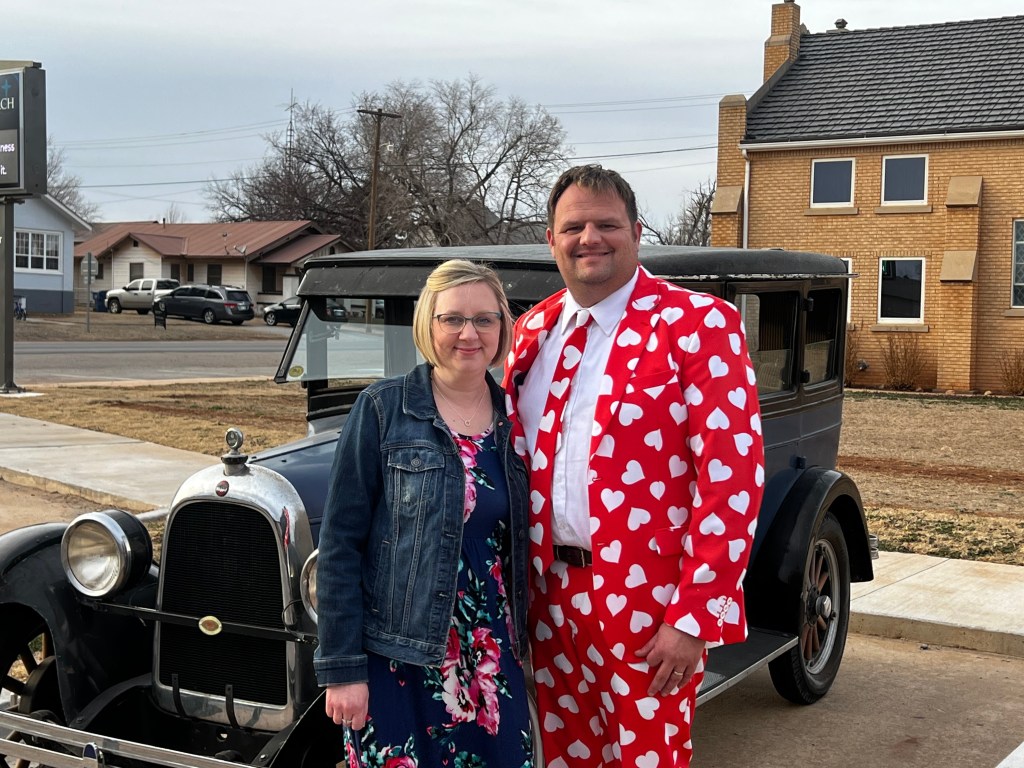
Now, when I do things like that — carrying on the same Valentine mischief my dad perfected — Amy knows it’s because I love her. And I like to think I am setting a great example of spoiling and loving my wife for my boys to experience and repeat for their own wives one day.
Ok… enough randomness for today. Happy Valentine’s Day.
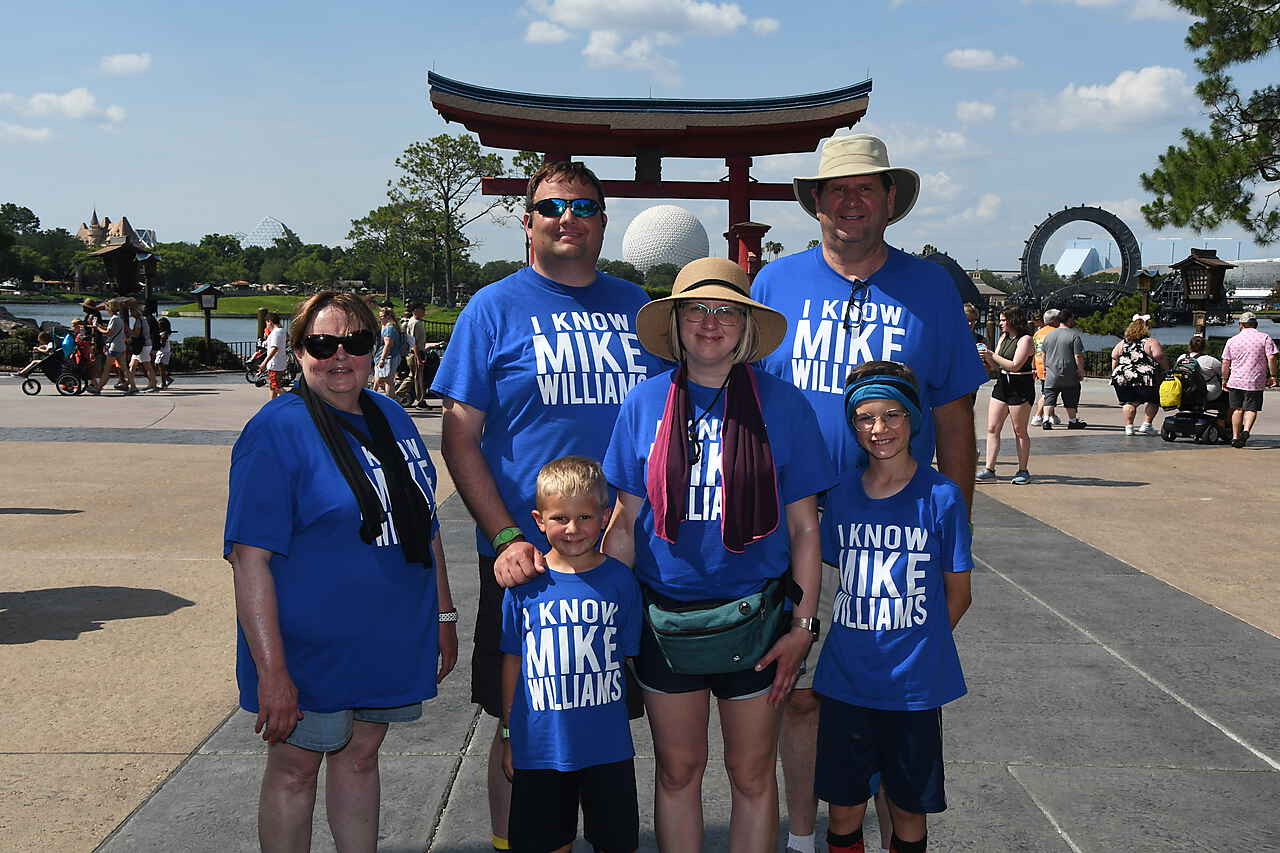


 I KNOW MIKE WILLIAMS